- Agromin & FOOD Share Team Up For "Pounds For Produce" Donation Contest - Monday, January 25, 2010 at 3:00 PM
-

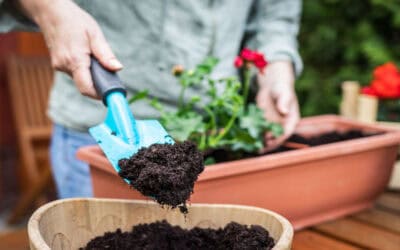
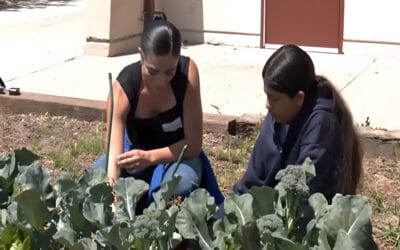
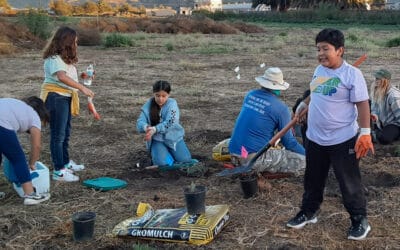
It's time to put your green thumb to work to help feed the hungry. FOOD Share, which distributes millions of pounds of food annually to those in need in Ventura County, and Agromin, one of California's largest green materials recyclers and a premium soil manufacturer, have teamed up to create "Pounds for Produce," a gardening contest to see who can grow and donate the most vegetables to help feed the hungry in Ventura County.
Backyard gardeners, members of 4-H clubs, garden clubs and community gardens are all invited to participate. Gardeners can sign up on the FOOD Share website (www.foodshare.com) as a Garden Share member and receive a membership card. Already, more than 60 gardeners have become Garden Share members.
FOOD Share is in particular need of produce grown in six categories: potatoes, tomatoes, celery, onions, broccoli and citrus. Garden Share members who grow these vegetables can drop off their harvest at any one of 65 FOOD Share food bank locations (www.foodshare.com/get-help/useful-resources). Donated vegetables will be weighed and logged to the member's account. Top producers in each category will win free soil from Agromin on a pound-for-pound basis, equal to the total weight of produce donated to FOOD Share.
In addition, Garden Share membership includes tips and support to help grow your garden. New members will receive a 25 percent Agromin soil discount coupon by e-mail or mail that can be redeemed at any Ventura County location selling Agromin products. For a list of locations, go to www.agromin.com, click on "How-To Guides" and then "Where to Buy Our Products."
"During tough economic times, especially during World War I and II, people grew gardens to supplement the local food supply," says Bill Camarillo, CEO of Agromin. "Today is no different. With Pounds for Produce, we have the opportunity to share what we grow with others in need. We don't have to be great gardeners and the vegetables don't have to be perfect. It's an opportunity to help our neighbors. And, by growing your garden in healthy soil produced from recycled green materials, you're doing your part to help the environment."
“Garden Share is a community-based effort that encourages neighborhoods to grow produce to help feed the hungry through sustainable backyard and community gardens,” said Bonnie Weigel, CEO and president of FOOD Share. “Whether you have a single container on your patio or an acre of farmland, everyone can get involved to help. Offering fresh produce to our food pantries is an amazing gift to people who so often go without and we thank Agromin for making it easy for people to get involved.”
The contest ends July 15, 2010. For more information, call Meg Horton at FOOD Share, (805) 983-7100, ext. 105.
- Agromin Recycles More Than 365,000 Tons of Green Material in 2009 - Tuesday, January 19, 2010 at 4:32 PM
-
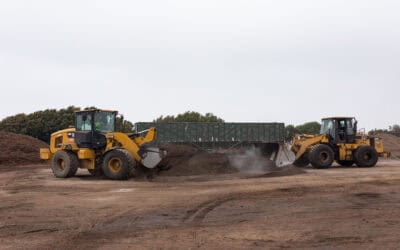
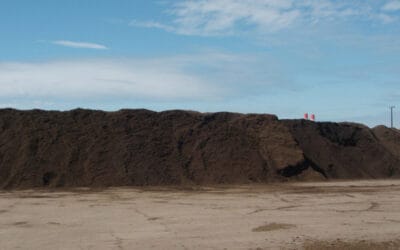
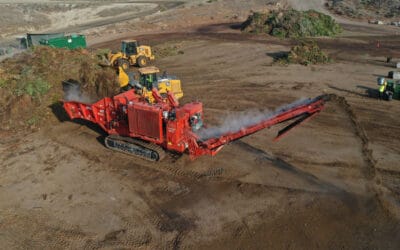
Agromin, the green recycler for more than 50 communities in Ventura, Santa Barbara, Los Angeles and Orange counties, recycled 366,800 tons of green material from residents and businesses in 2009. The amount recycled was a 21 percent increase over 2008 when 302,139 tons were recycled.
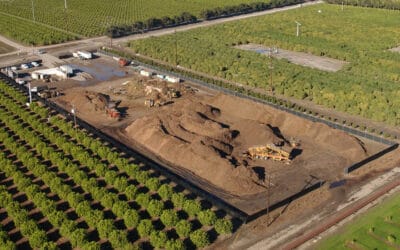
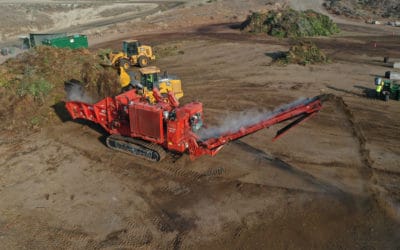
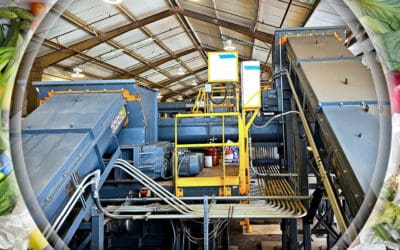
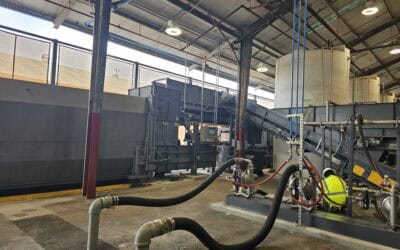
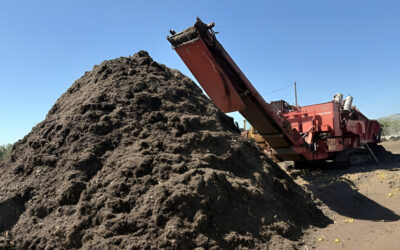
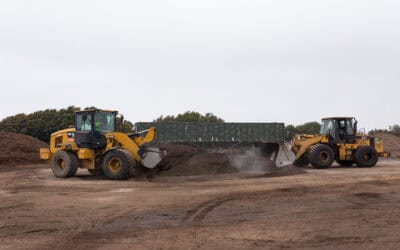
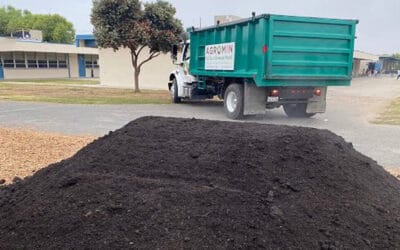
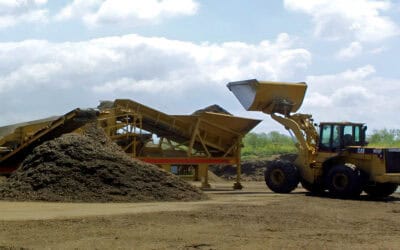
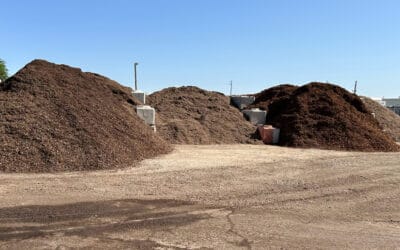
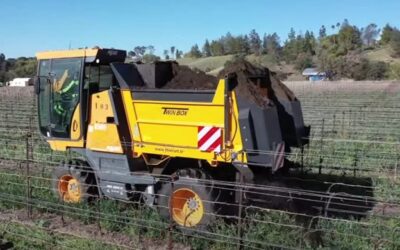
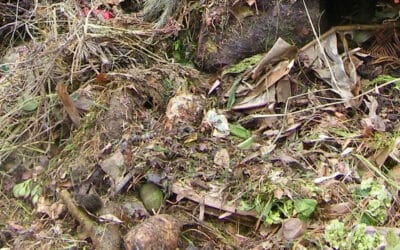
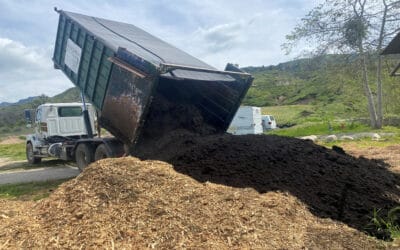
Green material, primarily grass clippings, leaves, trees, brush and wood, is collected and delivered to Agromin's recycling facilities. Non-green items (i.e., plastics, bottles, paper) are removed before the material is chopped and composted into soil products. The process takes about 60 days. The soil products are then distributed to growers, landscapers and consumers.
"The soil is made using an all-natural process," says Bill Camarillo, Agromin's CEO. "We speed up composting by constantly turning and watering the green waste, but it's still the tiny microorganisms in the material that do all the work. The result is clean, healthy soil."
Agromin operations and soil products have won numerous awards. Last year, it was named "Composter of the Year' by the U.S. Composting Council (USCC). It was also honored in 2009 with the California Resource Recovery Association (CRRA) 2009 Dave Hardy Leadership in Organics Award. Agromin compost is listed by the non-profit Organic Materials Review Institute (OMRI) so it can be used to produce certified organic products in accordance to the USDA National Organic Program standards.
"Our sustainable system keeps waste out of landfills and reduces greenhouse gas emissions," says Camarillo. "The increased amount of green materials collected in 2009 is a positive indication that more and more residents and businesses are joining in the effort."
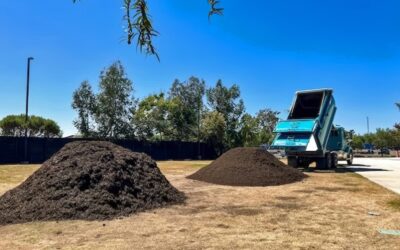
Agromin soil products are sold in bulk and in bags at locations in Ventura, Santa Barbara, Orange and Los Angeles counties. Products are also available online at www.agromin.com.Labels: Agromin; green waste recycling, California, earth-friendly soil, green material recycling, green waste recycling, healthy soil, Ventura County
- Much to Do in Southern California Gardens--Even in Winter - Thursday, December 31, 2009 at 9:51 AM
-
While many trees and plants go dormant in January, warm, sunny days can entice Southern California gardeners into their backyards where much can be done even in winter, say experts at Agromin, an Oxnard-based manufacturer of earth-friendly soil products made from recycled green material from more than 50 Southern California communities.
Plant dormant fruit trees: Stop by any nursery and you will see a variety of dormant fruit trees ready for planting. These bare root trees are typically less expensive than those potted in soil. Dormant fruit trees, including apples, cherry, pear and plums, require a certain number of "chill" hours (temperatures less than 45 degrees) to break their winter dormancy and produce healthy crops in summer. Make sure the chill-hour requirements meet the particular micro-climate in your area.
Care for New and Established Rose Bushes: January and February are the best months to plant rose bushes. Like dormant fruit trees, bare root rose bushes are now abundantly available at nurseries. For existing roses, prune no more than one-half of new growth from the previous growing season. Pruning and pinching encourages new growth in early spring.
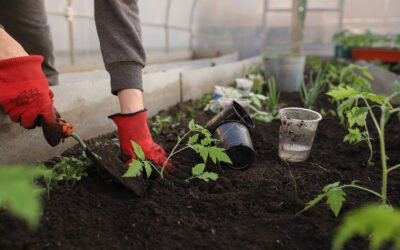
Plant Vegetables in Winter for Spring Harvest: January is the perfect time to experiment with vegetables not found in typical spring or summer gardens. Vegetables that are planted in fall and winter include asparagus, broccoli, cabbage, cauliflower, chives, collards, endive, kale, lettuce, onions, parsnip, peas, spinach and turnips. Year-round vegetables such as artichokes, carrots, beets and radishes can also be planted now.
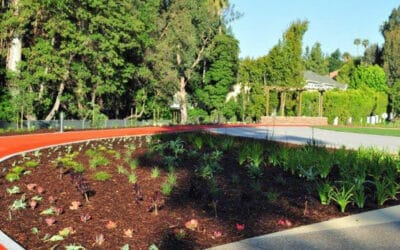
Get Control Over Weeds: One or two days of rain is all it takes for weeds to sprout. Placing a two to three inch layer of mulch around trees, shrubs and plants prevents weed seeds from germinating. If weeds are already starting to grow, remove as many as you can and then cover the area with mulch. The goal is to prevent sunlight from reaching the weeds so they will not have fuel to grow. A common mistake is not adding enough mulch for the weed-suppression process to be effective. Once taken root, weeds need only a small amount of sunlight to flourish. Organic mulches break down over time, so if you already have mulch in your garden, replenish with an additional one-inch layer.
For more gardening tips, go to www.agromin.com.Labels: Agromin, soil amendments, what to plant in winter, winter garden, winter gardening in Southern California, winter vegetables
- Santa Comes Early for Mayflower Preschoolers - Monday, December 28, 2009 at 2:34 PM
-
Santa came early for students at Mayflower Preschool in Los Alamitos. The non-profit preschool, open for more than 40 years, needed replacement woodchips for its swing set play area. Kendy Gioia, director of the preschool, was searching for funding sources for the new chips when Agromin stepped in and offered its services and products to the school at no charge.
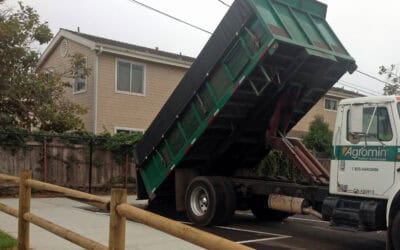
Agromin, a premium soil products manufacturer and green materials recycler for more than 50 communities in Southern California, delivered eight tons of freshly ground woodchips to Mayflower on December 23. With the help of volunteers from the Pacifica High School wrestling team, the swing set play area was completely transformed. "Instead of a hard, compacted surface underneath the swings, the ground is now covered with a thick layer of soft woodchips," says Gioia. "I'm ecstatic with the way things look and can't wait for our kids to come back from vacation and see the change. This will be a great surprise for them. I am so grateful Agromin offered to help." In addition, Agromin removed the old woodchips from the play area and recycled them into the school's flowerbeds as mulch.
Agromin also donated 20 "Carrots for Kids" growing kits to Mayflower. Gioia says the kits will be put to use immediately after the children return from holiday break. "The kits will be a great learning tool for our kids and will help enhance our small gardening program," says Gioia.Labels: Agromin, Carrots for Kids, green material recycling, green waste recycler, healthy soil, kids and gardening, Mayflower preschool, Orange County, safe soil
- Christmas Trees Lead Productive Lives After Holidays Are Over - Tuesday, December 22, 2009 at 4:02 PM
-
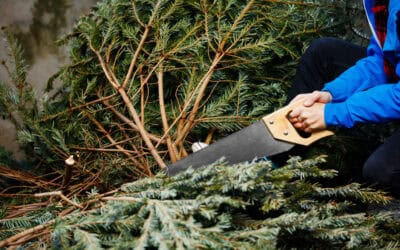
Cut Christmas trees now adorning homes will lead productive lives long after the holidays," say experts at Agromin, the green materials recycler for over 50 communities in Southern California.
After Christmas, trees are collected and recycled into soil products for use locally by farmers, landscapers and consumers," says Bill Camarillo, Agromin CEO. "The composting process takes as little as 60 days. By early March, these trees will be transformed into mulch and used on farmland and in backyard landscapes and gardens."
Many cities in Santa Barbara, Ventura and Los Angeles counties offer curbside pickup of Christmas trees for recycling. Residents in Huntington Beach, Fountain Valley, Newport Beach, Costa Mesa and Irvine in Orange County can drop off their trees at the Agromin site at Rainbow Disposal (17121 Nichols St., Huntington Beach, Gate 7, 714-847-3581).
To help with the recycling efforts, Camarillo says residents should be sure trees are free of ornaments, tinsel, nails and tree stands before placing them in green waste recycling bins. "Otherwise, these non-green items must be removed by hand at our recycling facilities," says Camarillo. "It's satisfying to know that the Christmas tree you enjoyed during the holidays may be part of the mulch you use in your garden next spring or it played a role in helping grow fresh fruits and vegetables on local farms."
For more information on green materials recycling, go to www.agromin.com.Labels: Agromin, Agromin; green waste recycling, Christmas tree recycling, Christmas trees
- December is Time to Spruce of Garden Beds, Plant Spring Flowering Bulbs - Friday, November 27, 2009 at 9:57 AM
-
Plant growth comes to a near halt in December, so it is a good time to spruce up flowerbeds and gardens and plant spring-flowering bulbs.
Plant Bulbs and Flowers: Plant bulbs including hyacinths, daffodils and tulips in 5" to 6" of soil. Plant hardy plants such as camellias and azaleas. Consider adding natural California wildflowers (desert bluebells, California poppies, mariposa lilies) to your flower garden for early spring blooms.
Clean Up Debris: Collect fallen leaves, clean up dead portions of perennials and vegetable plants and pinch back winter-blooming annuals so they produce more blooms. Place fallen leaves in flowerbeds as mulch to keep soil in place and prevent erosion during rain.
Be Water Aware: December can bring Southern California much rain or the month can be bone dry. Trees and plants need water, even when the weather cools. Warm, dry winds can still occur in December and will suck moisture from plants in as little as one day. Be ready to water your plants if the winds and heat come and rainstorms stay away.
Winterize Your Lawn: Rake leaves, grass clippings or other debris from the lawn. This allows winter sunlight and nutrients into the soil. Raking will result in better aeration, resulting in greener grass when spring arrives. Remove weeds. Weeds allowed to produce seeds in fall and winter are guaranteed to flourish and wreak havoc in spring. Lay down compost over the lawn that is specifically formulated for winterizing. This compost should be fortified with nitrogen, phosphorus and potassium and penetrate into the roots for a quick start for spring growth.
Buy a Living Christmas Tree: Before buying a living Christmas tree, decide where you want the tree planted in your yard once the holidays are over. Talk with an expert at your local nursery to help select the best tree for the location. Keep the tree outside until Christmas week. The tree can stay indoors for no more than 10 days. Any longer and it will begin to drop its needles. Consider giving your tree a natural look--decorate with berries, popcorn, seeds and cookies. After the holidays, take the still-decorated tree outside and let birds have their own holiday feast.
For more gardening tips, go to www.agromin.com.Labels: Agromin, what to plant in winter, winter garden, winter gardening in Southern California, winter vegetables
- Growing Season Just Beginning for Many Plants & Vegetables in November - Friday, October 23, 2009 at 2:46 PM
-
OXNARD, CALIF.--While many flowers and deciduous trees become dormant in November, others are just starting their growing season and will keep gardeners busy throughout the fall and winter, says Agromin, an Oxnard-based manufacturer of premium soil products that are made from recycled green material.
Native Flowers: Native California plants are on a different clock than non-native plants. They thrive in cooler weather when the rains come, bloom in spring and become dormant-like during the dry, hot summer months. Most are drought tolerant Plant native flowers now including Ceanothus (perennial blue flowers), Monkey Flower (perennial orange flowers), California White Sage and California Poppy. Also, consider planting wildflowers from seed. The California Native Plant Society (www.cnps.org) identifies native California vegetation so you can choose the flowers to fit your garden. It also lists nurseries specializing in native plants.
Planting Trees: Fall is one of the best times of the year to plant trees. The bigger the tree doesn't mean the tree is healthier and will do well when planted. Transplanting younger trees, with a smaller branch system can mean less stress on the root system. Select the tree location carefully before choosing the tree. Do you want a deciduous tree with leaves that change colors or one that stays green all year long? How tall and wide will the tree become at maturity? Does the location have enough room to accommodate the tree's root and branch system? Once those decisions are made and the tree is selected, amend the soil before planting and surround the tree with mulch (six inches or more from the trunk) to keep in moisture and prevent erosion.
Still Time to Plant Cool Season Vegetables: While the variety of cool season vegetables is less abundant than their summer counterparts, enjoying the taste of homegrown vegetables can't be beat. Plant broccoli, carrots, cauliflower, lettuce, peas and spinach. Water as needed. If rains are frequent, no watering or once-a-week watering is all that is required. If hot, dry Santa Ana winds kick up, water once a day until the hot weather passes.
For more gardening tips, go to www.agromin.com.
###
About Agromin:
Agromin manufactures premium soil products for farmers, landscapers and consumers. Agromin is also the green waste recycler for over 50 Southern California communities. Each month, Agromin receives and processes thousands of tons of urban wood and green waste. Agromin then uses a safe, organic and scientific system to formulate its soil products from the processed recycled green waste. The result is more vigorous and healthier plants and gardens, and on the conservation side, more room in landfills and less greenhouse gas emissions. Agromin is the U.S. Composting Council's "Composter of the Year."Labels: Christmas trees, earth-friendly soil, fall gardening, fall vegetable garden, flower garden, green materials recycling, native plants, Southern California
-
-
Previous Posts
- Agromin & FOOD Share Team Up For "Pounds For Produ...
- Agromin Recycles More Than 365,000 Tons of Green M...
- Much to Do in Southern California Gardens--Even in...
- Santa Comes Early for Mayflower Preschoolers
- Christmas Trees Lead Productive Lives After Holida...
- December is Time to Spruce of Garden Beds, Plant S...
- Growing Season Just Beginning for Many Plants & Ve...
- 21st Century Victory Gardens Benefit Today's Hungr...
- Limoneira & Agromin Donate Carrot Seed Growing Kit...
- Gardeners and Gardens Enjoy Cool Fall Weather In O...
-
Archives
-
Subscribe to
Posts [Atom]
-